IN KANSAS | Senator Roger Marshall recently said, “We’re committed to staying prepared and standing with Kansas agriculture” after meeting with the Kansas Livestock Association in June to discuss challenges facing Kansas ranchers, including the risk of New World Screwworm in Southern Texas. But while Marshall says he is committed to standing with Kansas agriculture, his voting record, yet again, tells a different story.
Last year, Marshall voted for federal workforce reductions through the DOGE-backed Rescissions Act of 2025, weakening USDA programs responsible for monitoring and responding to agricultural threats, including invasive pests, livestock diseases, and emerging threats such as screwworm. A report stated that 25% of USDA’s Animal and Plant Health Inspection Service employees were forced out due to DOGE cuts. Kansas reportedly lost 32% of its USDA workforce, the largest percentage loss in the region due to these spending cuts. Kansans have a right to ask: How can local farmers and ranchers feel protected and prepared when the programs and federal workforce responsible for monitoring and responding to threats to their livestock and crops are being cut? These reductions put even more responsibility on farmers and ranchers to protect their operations, adding another burden to the already demanding work they do every day to support their families and keep their businesses running.
Kansas has already lost approximately 700 farms in the last year, with small and mid-sized operations making up the majority of those losses. These are Kansas families who have spent decades, and in some cases more than a century, passing their livelihoods down from one generation to the next. Yet as rural farms fight to stay in business, Marshall sponsored legislation that would prevent states from setting their own animal welfare standards for farm production, including livestock confinement rules. By potentially overturning state-level protections, his legislation could make it even harder for rural farms that follow higher standards to compete and stay in business.
Marshall also voted against a $171 billion funding plan that included additional funding to support farmers and agricultural needs. This funding would have supported farmers facing economic challenges, as well as veterans and disaster relief. At a time when Kansas farmers are already facing tighter margins and rising costs, these decisions could put even more pressure on families working to keep their farms and ranches in business.
The financial pressure facing farmers extends beyond the cost of running their operations. A recent story from Harvest Public Media’s “Tough Times” series highlighted how rising health care costs are adding another burden to farmers already struggling with soaring expenses. Health insurance premiums increased by an average of 58% this year, while many middle-income Americans who relied on enhanced Affordable Care Act tax credits saw their premiums double or even triple. For farmers and ranchers who are often self-employed and must purchase their own coverage, those costs can be especially devastating. The Kansas Farmers Union’s executive director told Harvest Public Media that his own premiums tripled this year. Yet Senator Marshall voted against moving forward with legislation to extend the enhanced Affordable Care Act tax credits that helped lower premiums, putting affordable health care further out of reach for Kansas farmers and rural families.
So while many rural farms are fighting to stay afloat in 2026, Marshall also voted against an amendment that would have established a reserve fund to protect consumers from price increases tied to tariffs and the ongoing war with Iran, including higher fertilizer costs that farmers depend on. As Marshall continues to support President Trump’s policies, Kansas farmers are facing rising costs for fertilizer, mechanical parts for farming equipment, and diesel, adding thousands of dollars to the annual cost of running their operations.
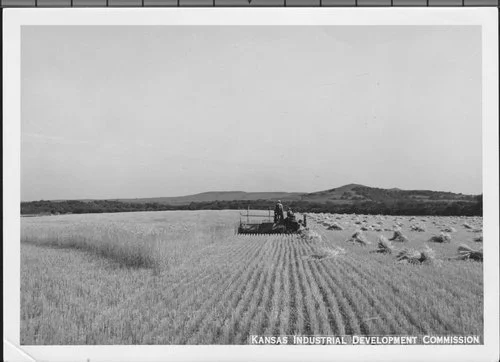
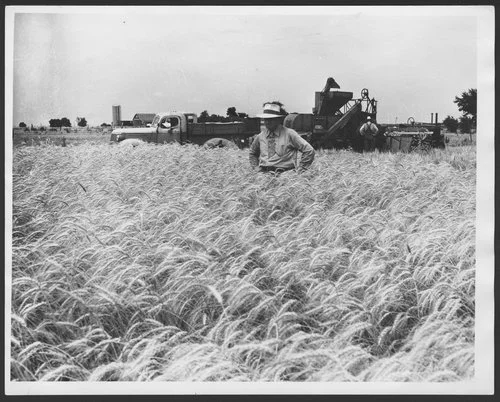
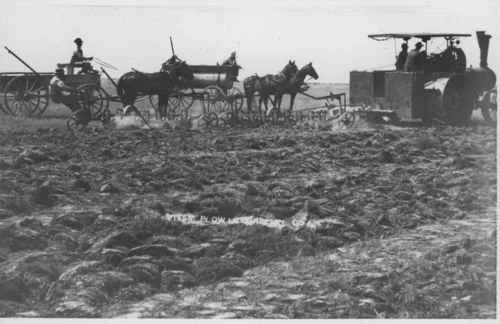
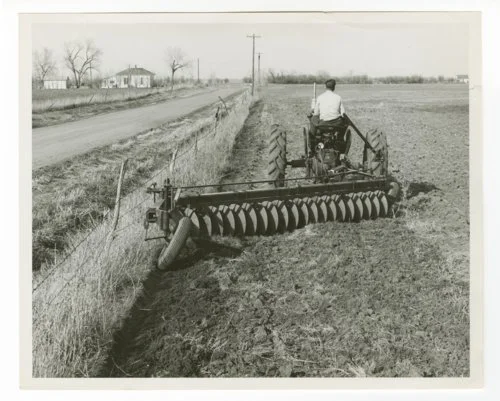
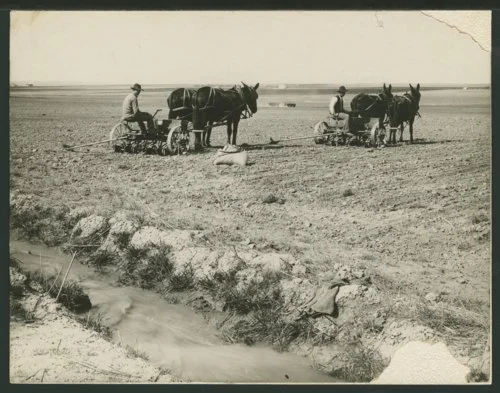
Kansas is an agricultural state. The Wheat State.
Our farmers and ranchers deserve a Senator who will fight for them, protect the funding they depend on, and strengthen the programs that safeguard their livestock, crops, food supply, and family businesses. These families are working to preserve livelihoods built over generations. They deserve a Senator whose actions match his words when he says he stands with Kansas agriculture.
Overview of Senator Marshall’s Votes Mentioned Above:
-
Voted against advancing legislation to extend enhanced Affordable Care Act tax credits that helped lower health insurance premiums. As those enhanced tax credits expired, many farmers and rural families who purchase their own health insurance faced significantly higher premiums.
-
Voted for the DOGE-backed Rescissions Act of 2025, contributing to federal workforce reductions that weakened USDA programs responsible for monitoring agricultural threats, including invasive pests, livestock diseases, and emerging threats like the screwworm outbreak affecting livestock.
-
Sponsored legislation that would block states from setting their own animal welfare standards for farm production, including livestock confinement rules; overturning state protections for rural and small farms that follow higher standards to compete in the marketplace.
-
Voted against a bipartisan funding plan providing up to $171 billion for farmers, veterans, food assistance, disaster relief, border security, and other priorities.
-
Voted against an amendment to establish a deficit-neutral reserve fund to protect consumers from price increases associated with tariffs and the Iran war, including higher fertilizer costs.
PROTECT KANSAS FARMERS
We’ve made it easy to send a direct message to your Senator and demand accountability on the issues that matter most.
Click below to learn more and contact Senator Marshall directly to ask him about protecting Kansas’ rural farms and farmers.